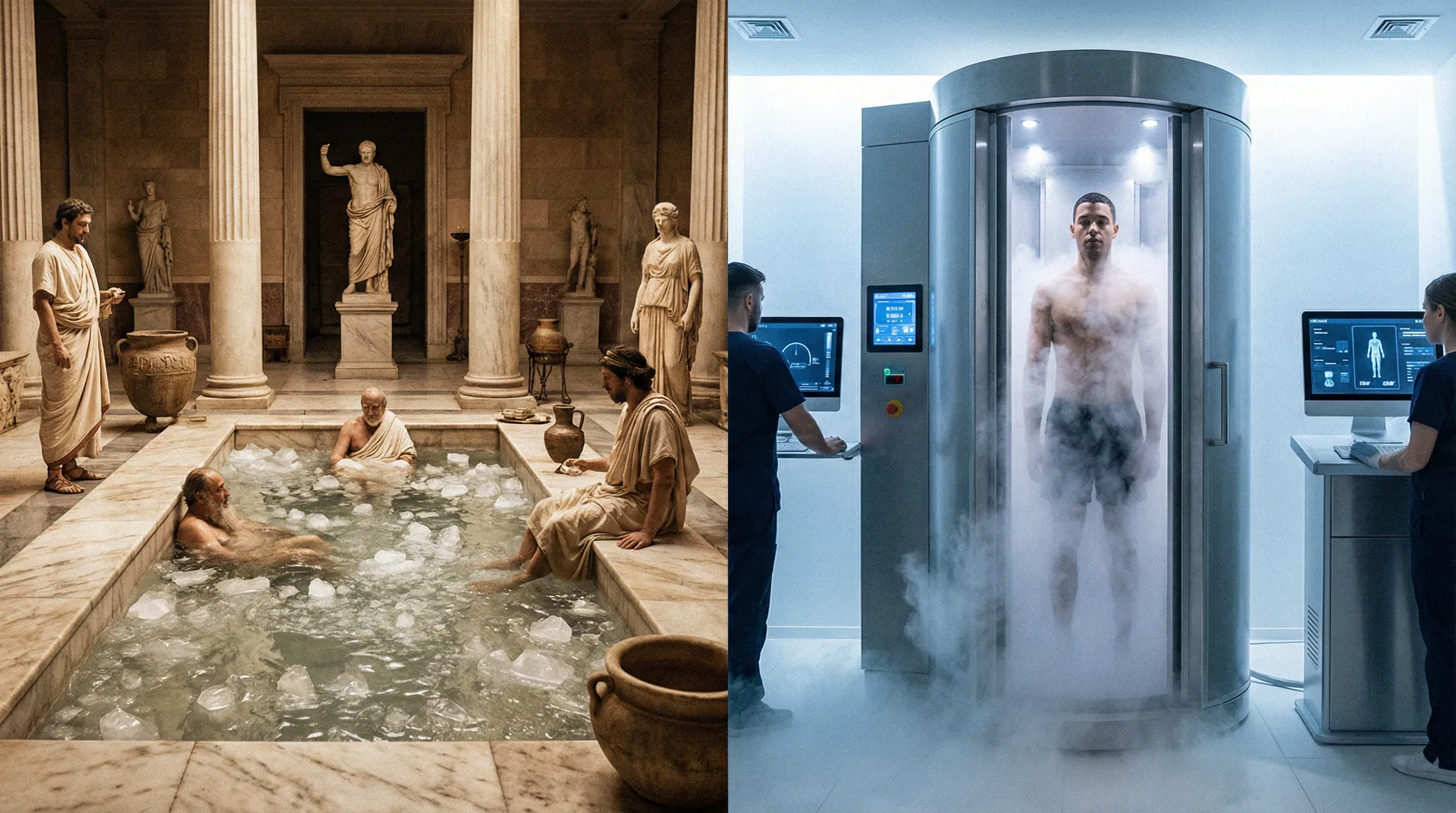
Cryotherapy Was Originally Invented for Rheumatoid Arthritis
The origin story of modern cryotherapy is rooted in medicine, not wellness culture. Dr. Toshima Yamauchi's work with rheumatoid arthritis patients in 1970s Japan changed everything we know about cold therapy.
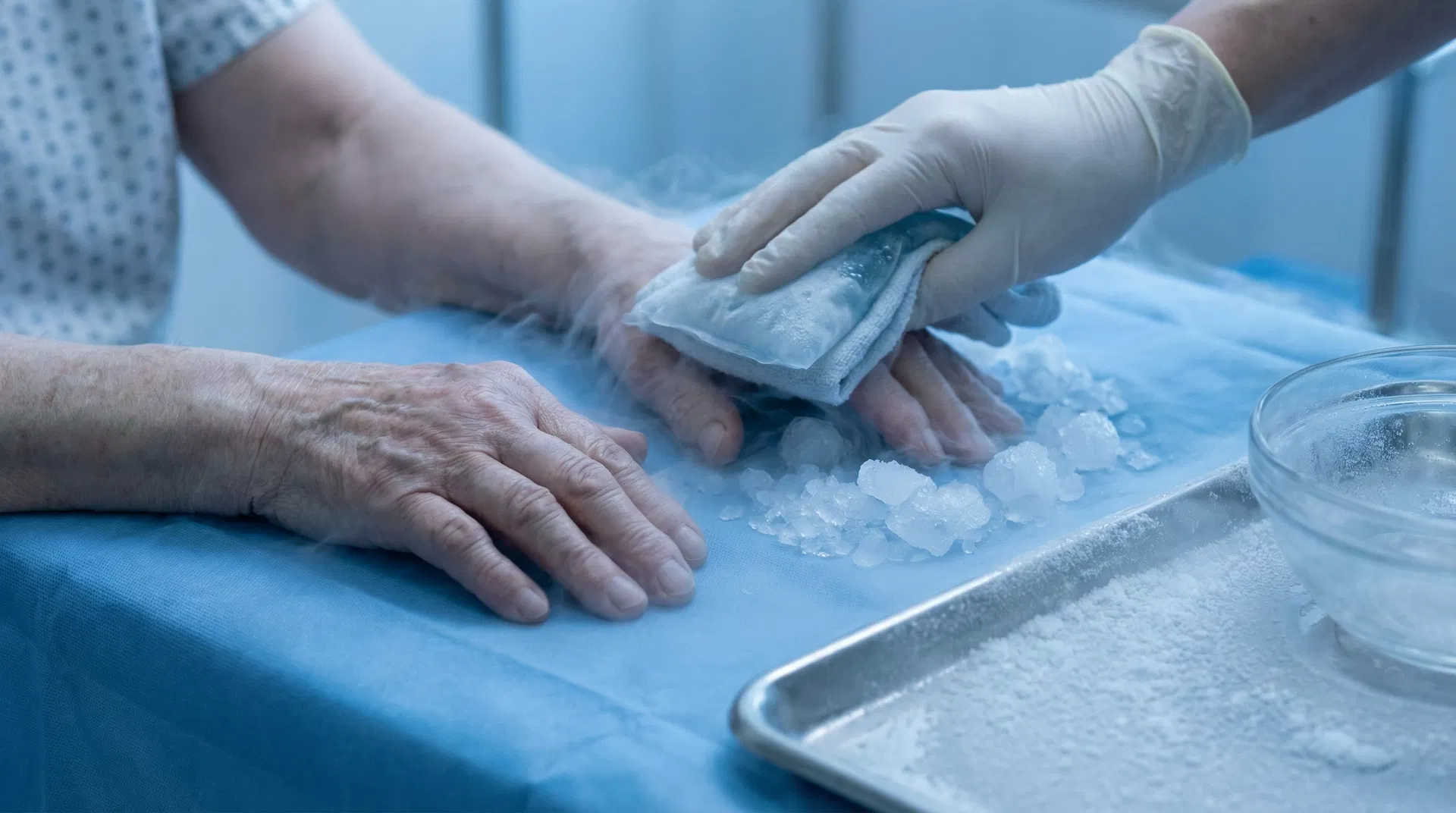
Before cryotherapy became a fixture in celebrity wellness routines and professional sports recovery, it was a medical treatment developed for one of the most painful and debilitating autoimmune conditions: rheumatoid arthritis.
The Origin: Japan, 1978
Dr. Toshima Yamauchi, a Japanese rheumatologist, was searching for a more effective way to treat his rheumatoid arthritis patients. The existing treatments — NSAIDs, corticosteroids, and disease-modifying drugs — had significant side effects and limited efficacy for many patients.
Yamauchi hypothesized that rapid, extreme cold exposure might trigger a more powerful anti-inflammatory response than the ice packs and cold water baths that had been used for centuries. He developed the first whole-body cryotherapy chamber and began treating patients in 1978.
The results were remarkable. Patients reported significant reductions in pain, swelling, and stiffness — often after just a few sessions. Some were able to reduce their medication dosages substantially.
Finding this useful?
Share it with someone who needs to read it.
The Science Behind the Results
Rheumatoid arthritis is an autoimmune condition characterized by chronic inflammation in the joints. The immune system mistakenly attacks the synovial membrane, causing pain, swelling, and eventual joint destruction.
Cryotherapy addresses RA through multiple mechanisms:
- Reduction of pro-inflammatory cytokines: Cold exposure significantly reduces TNF-α, IL-1β, and IL-6 — the primary inflammatory mediators in RA.
- Modulation of immune function: WBC appears to shift the immune response away from the Th1 (pro-inflammatory) pattern toward a more balanced state.
- Pain gate mechanism: Cold activates A-delta nerve fibers, which "close the gate" to pain signals traveling to the brain.
- Endorphin release: The norepinephrine and endorphin surge provides significant pain relief that outlasts the session by hours.
From Medicine to Mainstream
Yamauchi's work spread to Europe in the 1980s, where it was adopted by sports medicine physicians and physical therapists. By the 1990s, professional sports teams in Germany, Poland, and Russia were using WBC for athlete recovery.
The technology reached the United States in the early 2010s, initially through sports performance centers and then through wellness studios. Today, cryotherapy is used for everything from athletic recovery to weight loss to skin care — but its roots remain in medicine.
What This Means for You
Whether you're dealing with arthritis, chronic inflammation, or simply want to recover faster from exercise, you're benefiting from 45 years of medical research and clinical application. Cryotherapy isn't a wellness fad — it's a medical treatment with a documented history of results.
Found this helpful?
Share it with someone who needs to read it.
Ready to experience the difference?
Book your first session at Body Techs Wellness & Esthetics in Minnetonka, MN.
Book Now