Insights Amidst Bruce Willis' Battle with Aphasia/Dementia
Bruce Willis' public battle with aphasia has brought neurodegeneration into the spotlight. Here's what the research says about cryotherapy and red light therapy as potential neuroprotective tools.
In the realm of neurodegenerative diseases, dementia stands as a chief concern, stirring the medical community to persistently seek preventive strategies and therapeutic remedies. The recent disclosure of Bruce Willis' battle with aphasia, a condition often associated with dementia, underscores the urgency of this quest. Amidst this landscape, cryotherapy and red light therapy have emerged as potential allies.
Cryotherapy: The Coolant for Inflammation
At its core, cryotherapy involves the application of extreme cold to the body, which has been clinically observed to induce several physiological responses that are theoretically conducive to dementia prevention. The cold stimulus from cryotherapy is known to reduce inflammation, a key antagonist in the dementia narrative. Inflammation, especially chronic, is implicated in the pathogenesis of dementia, contributing to neuronal damage and the accumulation of amyloid plaques, hallmarks of Alzheimer's disease.
The cryogenic temperatures also trigger a process known as cold-shock response. This response mobilizes neuroprotective proteins that could theoretically fortify neurons against age-related degeneration. Additionally, the transient stress induced by the cold may enhance neurogenesis — the birth of new neurons — which is vital for maintaining cognitive health.
Red Light Therapy: A Beacon in Brain Health
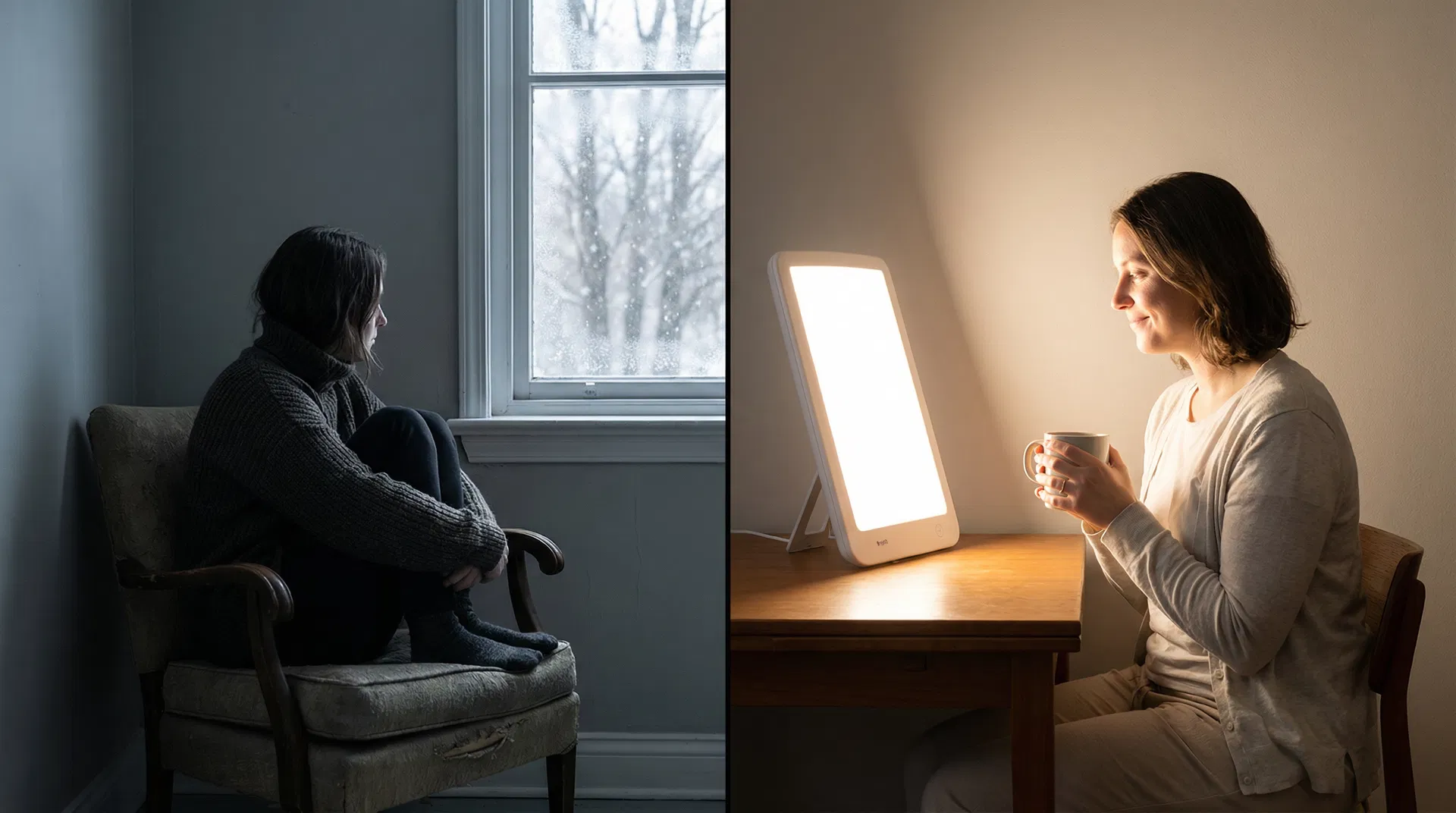
Red light therapy, or photobiomodulation, applies specific wavelengths of red to near-infrared light to the body, imparting energy to cells and stimulating their innate healing mechanisms. This therapy has garnered clinical interest for its neuroprotective potential. The mitochondria absorb this light, leading to enhanced ATP production, which can bolster cellular function and resilience.
Furthermore, red light therapy may modulate the expression of certain genes involved in cell survival, inflammation, and oxidative stress — all of which are pertinent to the development and progression of dementia. Through these mechanisms, it's hypothesized that red light therapy could improve cognitive function and delay the onset of symptoms associated with dementia.
Clinical Insights: The Intersection of Cold and Light
The convergence of cryotherapy and red light therapy presents a compelling synergy. Both modalities offer unique benefits that can address the multifaceted nature of dementia. Clinical observations have noted that the anti-inflammatory effects of cryotherapy, coupled with the mitochondrial enhancement from red light therapy, create a multi-targeted approach.
Bruce Willis: A Catalyst for Change and Awareness
Bruce Willis' diagnosis brings to light not just his personal fight with aphasia, but also the broader implications for cognitive health. The plight of such a renowned figure emphasizes the necessity of advancing research in therapies that could confer neuroprotection, and the promise of cryotherapy and red light therapy in this domain is becoming increasingly evident.
While further research is necessary to solidify their role in prevention, the current clinical landscape offers a glimmer of hope. As research unfolds, it may well be that the chill of cryotherapy and the glow of red light therapy illuminate a path toward cognitive longevity and resilience.
Found this helpful?
Share it with someone who needs to read it.
Ready to experience the difference?
Book your first session at Body Techs Wellness & Esthetics in Minnetonka, MN.
Book Now