Juneteenth, Wellness, and the Long Shadow of Planned Health Gaps
Diabetes doesn't strike evenly — 2024 CDC data reveal rates nearly double in some minority communities. Here's how historic housing and food policy still shapes health outcomes, and how local wellness hubs are fighting back.
Every June 19 we celebrate the final enforcement of emancipation in 1865. Yet freedom to live long, healthy lives is still uneven. Black, Latino, Indigenous, and Asian families often face higher rates of chronic disease and shorter life expectancy than their White neighbors. Those gaps didn't appear by chance — they were designed into housing maps, retail zoning, and food supply chains that still shape daily choices.
The Maps That Still Shape Our Bodies
In the 1930s the federal Home Owners' Loan Corporation drew "red lines" around neighborhoods considered risky for mortgages — usually the same blocks where Black or immigrant families lived. Banks pulled back, parks shrank, and highways later sliced through. A modern review of 200 studies shows higher asthma, heart disease, and pre-term births in those once-outlined districts.
Minnesota tells the same story. State health officials call our racial health gap "one of the widest in the nation," tracing much of it to historic housing segregation that still dictates school funding, green space, and clinic access.
When the Supermarket Leaves
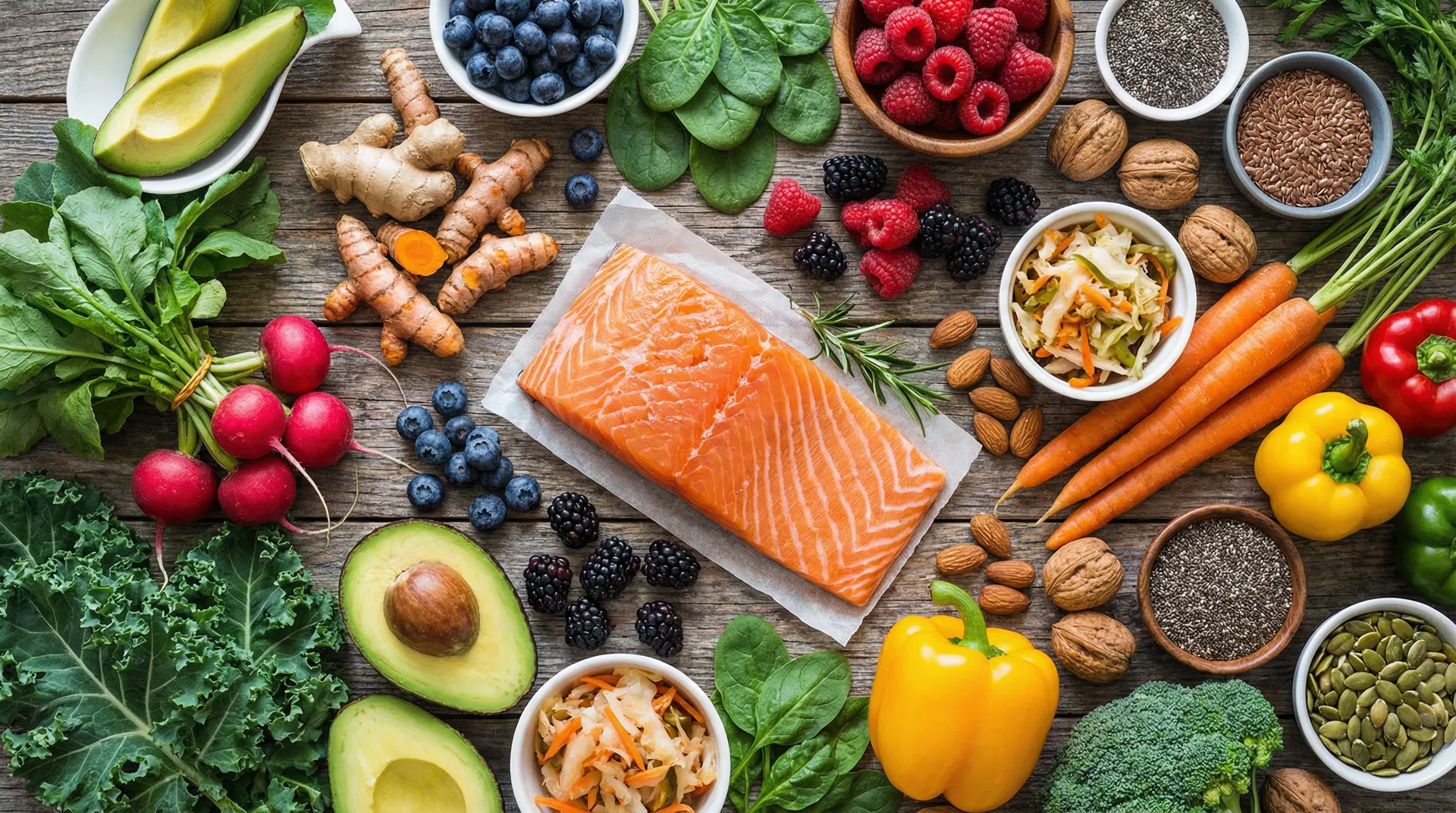
Pull up any map of "food deserts" and you'll notice familiar patterns: the same redlined neighborhoods often lack a full-service grocery. A 2024 investigation into so-called "supermarket redlining" found Black shoppers paying more at smaller stores for fewer healthy options, leaving families with higher rates of diabetes and hypertension.
Latino communities feel a similar squeeze. Nationwide, 19 percent of Hispanic households struggled with food insecurity last year — well above the national average — because local stores stocked fewer fresh items and charged more for staples.
The Numbers Don't Lie
Structural decisions translate into stark health statistics across minority groups:
- American Indian / Alaska Native: 13.6% diagnosed diabetes
- Black: 12.1%
- Hispanic: 11.7%
- Asian: 9.1%
- White: 6.9%
Source: CDC National Diabetes Statistics Report 2024
Maternal mortality, heart disease, and asthma follow similar lines, proving that geography and policy still drive biology.
How Body Techs Leans In
We're a small, minority-owned center built on family values, and we put those values to work:
- Juneteenth $10 Core-Session Day (11 AM–3 PM). Bring a friend, cool your body, and warm your spirit — everyone is welcome.
- Free monthly workshops. From chronic-pain management to affordable healthy cooking, our staff shares practical tools for lifelong wellness.
- Mobile cryo trailer. We bring advanced recovery tools to sports fields, construction sites, and neighborhood festivals, meeting people where they already gather.
Freedom means the chance to thrive — regardless of ZIP code or skin color.
Found this helpful?
Share it with someone who needs to read it.
Ready to experience the difference?
Book your first session at Body Techs Wellness & Esthetics in Minnetonka, MN.
Book Now