Microneedling for Your Face: What to Expect, How It Works, and Why It Actually Delivers
Microneedling is one of the most effective non-invasive skin treatments available — but most people don't fully understand why it works. Here's the science behind collagen induction therapy, what it treats, and why the Body Techs protocol (with red light and a complimentary Cryo Facial) produces better results than a standard session.
Most people who come in for their first microneedling session have heard the word before — maybe from a friend, maybe from a skincare influencer — but they're not entirely sure what actually happens during the treatment or why it works. That's worth clearing up, because once you understand the mechanism, the results stop feeling like magic and start feeling like science.
What Microneedling Actually Does
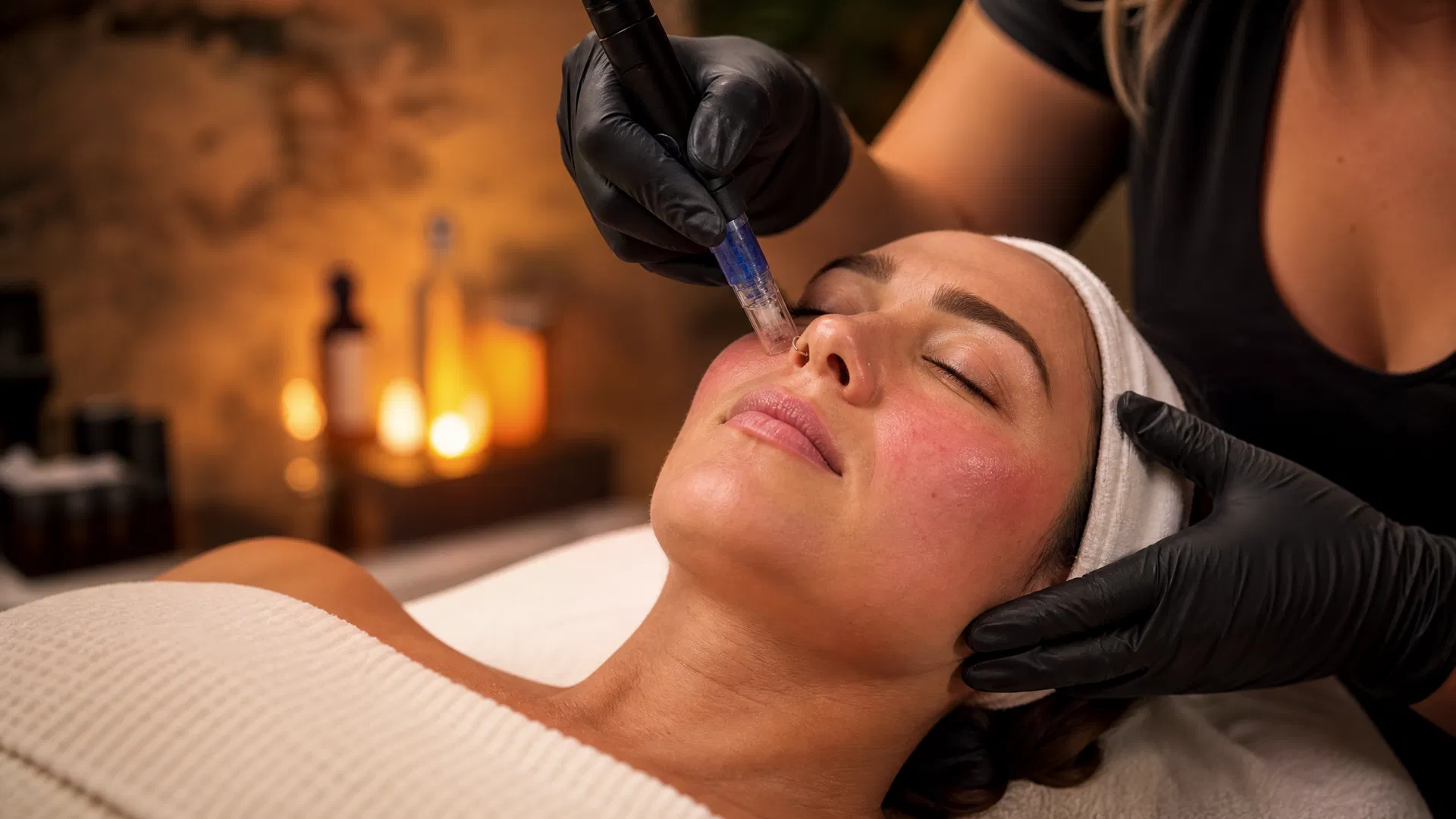
Microneedling is a collagen induction therapy. A device equipped with very fine, sterile needles creates thousands of controlled micro-injuries in the surface of the skin. These injuries are small enough that they don't cause lasting damage, but they're significant enough to trigger the skin's natural wound-healing response — which means your body floods the area with growth factors, fibroblasts, and collagen-producing cells.
The result, over a series of treatments, is a measurable increase in collagen and elastin density in the treated area. Skin becomes thicker, firmer, and more even in texture. Fine lines fill in from below. Acne scars — particularly the depressed, pitted kind called atrophic scars — gradually rise to the surface as new collagen fills the void beneath them. Pores appear smaller because the surrounding skin is more structurally supported. Hyperpigmentation fades as cellular turnover accelerates.
This is not a topical treatment that sits on the surface of your skin. The needles create channels that penetrate into the dermis — the deeper layer where collagen and elastin actually live. That's what separates microneedling from serums, peels, and most other at-home treatments. You're working at the structural level.
Finding this useful?
Share it with someone who needs to read it.
What Microneedling Treats on the Face
The list of conditions that respond well to microneedling is longer than most people expect.
*Fine lines and wrinkles* — particularly around the eyes, forehead, and upper lip. Microneedling won't eliminate deep dynamic wrinkles the way Botox does, but it addresses the skin quality underneath them in a way that Botox cannot.
*Acne scars* — one of the strongest applications for microneedling. Rolling scars and boxcar scars respond especially well. Ice pick scars are more resistant but still show improvement over multiple sessions.
*Enlarged pores* — particularly on the nose and cheeks. As collagen density increases around each pore opening, the pore appears smaller and less visible.
*Uneven skin tone and texture* — rough, dull, or uneven skin texture is one of the most consistent things microneedling improves. Most clients notice a visible difference in skin smoothness within two to three sessions.
*Melasma and hyperpigmentation* — microneedling accelerates cellular turnover, which helps fade dark spots over time. It's often combined with brightening serums applied immediately after treatment, since the micro-channels allow active ingredients to penetrate far more deeply than they would on intact skin.
*Skin laxity* — early-stage sagging around the jawline and cheeks responds well to the collagen-building effect. This is not a replacement for surgical lifting, but for clients in their 30s and 40s who want to maintain firmness proactively, it's one of the most effective non-invasive options available.
What to Expect During a Session
We apply a topical numbing cream about 30 minutes before the treatment begins, so discomfort is minimal for most clients — a mild pressure sensation and occasional warmth, but nothing sharp or prolonged. The treatment itself takes 20–30 minutes depending on the area being covered.
Immediately after, your skin will look flushed — similar to a moderate sunburn. That redness typically fades within 24–48 hours. For the first day or two, your skin will feel slightly tight and sensitive. You'll want to avoid direct sun exposure, heavy makeup, and active skincare ingredients like retinol or acids for a few days.
Most clients see initial improvement within a week as the skin heals and the first wave of collagen production begins. The more significant results — the texture improvement, the scar reduction, the firmness — build over 4–6 weeks as collagen remodeling continues. For this reason, we typically recommend a series of three to six sessions spaced four to six weeks apart, with maintenance sessions every few months after that.
Why We Include Red Light Therapy With Every Microneedling Session
Here's something that sets Body Techs apart from most esthetics studios: every microneedling session here includes red light therapy as part of the treatment, at no additional charge.
This isn't an upsell. It's a clinical decision.
Red light therapy — specifically wavelengths in the 630–850nm range — has a well-documented effect on cellular energy production. It stimulates mitochondrial activity in skin cells, which accelerates the production of ATP (the cell's energy currency). More ATP means faster cellular repair, more efficient collagen synthesis, and reduced inflammation.
When you apply red light therapy immediately after microneedling, you're essentially giving your skin's repair machinery a turbocharge at exactly the moment it needs it most. The micro-channels created by the needles are still open. The healing response is just beginning. Red light at this stage doesn't just add to the treatment — it multiplies it. Studies have shown that combining microneedling with red light therapy produces significantly greater collagen density improvements than either treatment alone.
Most studios either don't have red light equipment or charge separately for it. We include it because the combination produces better results, and better results are the point.
The Cryo Facial the Next Day: One of the Only Post-Treatment Options That Actually Helps
If you've had microneedling before, you know the 24–48 hours afterward can be uncomfortable. The skin is flushed, sensitive, and sometimes itchy as the healing response kicks in. Most post-treatment recommendations are about what to avoid — no heat, no sun, no active ingredients, no touching your face.
We offer something most studios can't: a complimentary Cryo Facial the following day.
This matters because most post-treatment options are either off-limits or counterproductive. Ice packs can introduce bacteria and cause uneven cooling. Topical treatments may irritate compromised skin. Heat is obviously out. But a Cryo Facial — which delivers a controlled stream of vaporized nitrogen to the surface of the skin without any contact — is one of the very few things you can safely apply to freshly microneedled skin.
The cold vapor constricts blood vessels, which immediately reduces redness and inflammation. It calms the nerve endings responsible for that post-treatment itchiness. It tightens the skin surface, which complements the collagen-building process happening underneath. And because it's a dry cold with zero physical contact, there's no risk of irritation, contamination, or disruption to the healing skin.
The result is a faster, more comfortable recovery — and a client who feels confident walking out of the studio the next day instead of hiding at home for two days.
This is only possible because we're a full wellness and esthetics facility. A standalone facial studio doesn't have a cryo chamber. A cryo studio doesn't have an esthetics room. We have both, and the combination creates a treatment experience that genuinely can't be replicated anywhere else in the Twin Cities.
How Many Sessions Do You Need?
The honest answer depends on what you're treating. For general skin quality improvement — texture, tone, early lines — three sessions spaced four to six weeks apart will produce visible, lasting results for most people. For acne scarring, you're typically looking at four to six sessions, sometimes more for severe scarring. For maintenance after achieving your initial results, one session every three to four months keeps the collagen production active and the improvements holding.
We'll assess your skin at your first appointment and give you a realistic picture of what to expect and how many sessions make sense for your specific goals. No one-size-fits-all protocols here.
Ready to Start?
Microneedling at Body Techs includes topical numbing, the full treatment, red light therapy, and a complimentary Cryo Facial the following day. Book your first session at the link below, or stop in to ask questions — we're at 11353 MN-7 in Minnetonka — on Highway 7, 1.5 miles west of Hwy 169 — and we're happy to walk you through exactly what to expect before you commit to anything.
Body Techs Wellness & Esthetics · 11353 MN-7, Minnetonka, MN 55305 · bodytechsrx.com
Found this helpful?
Share it with someone who needs to read it.
Ready to experience the difference?
Book your first session at Body Techs Wellness & Esthetics in Minnetonka, MN.
Book Now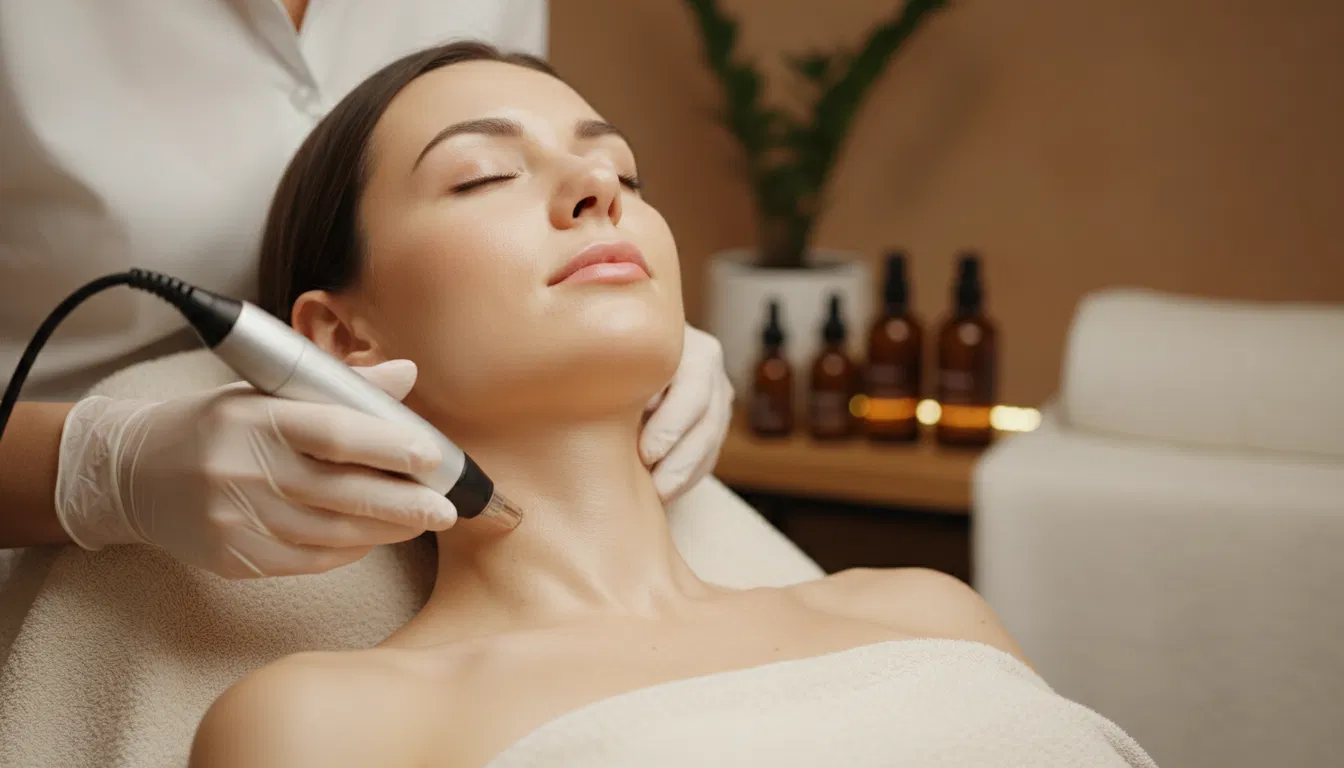
Microneedling Beyond the Face: Neck, Décolletage, Hands, and Body
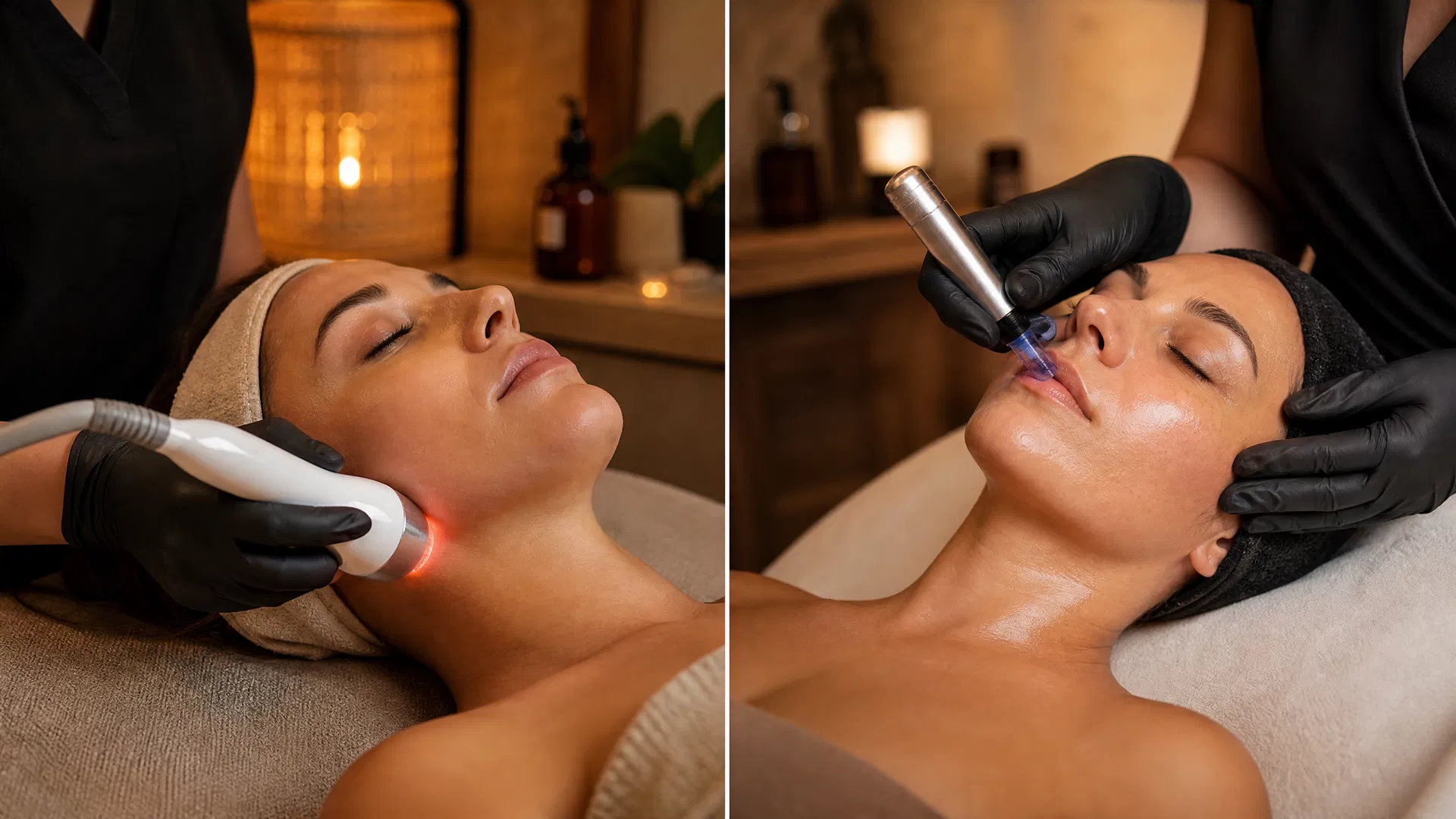
RF Skin Tightening vs. Microneedling: Which One Is Right for You — and Why the Combination Is Better Than Either Alone