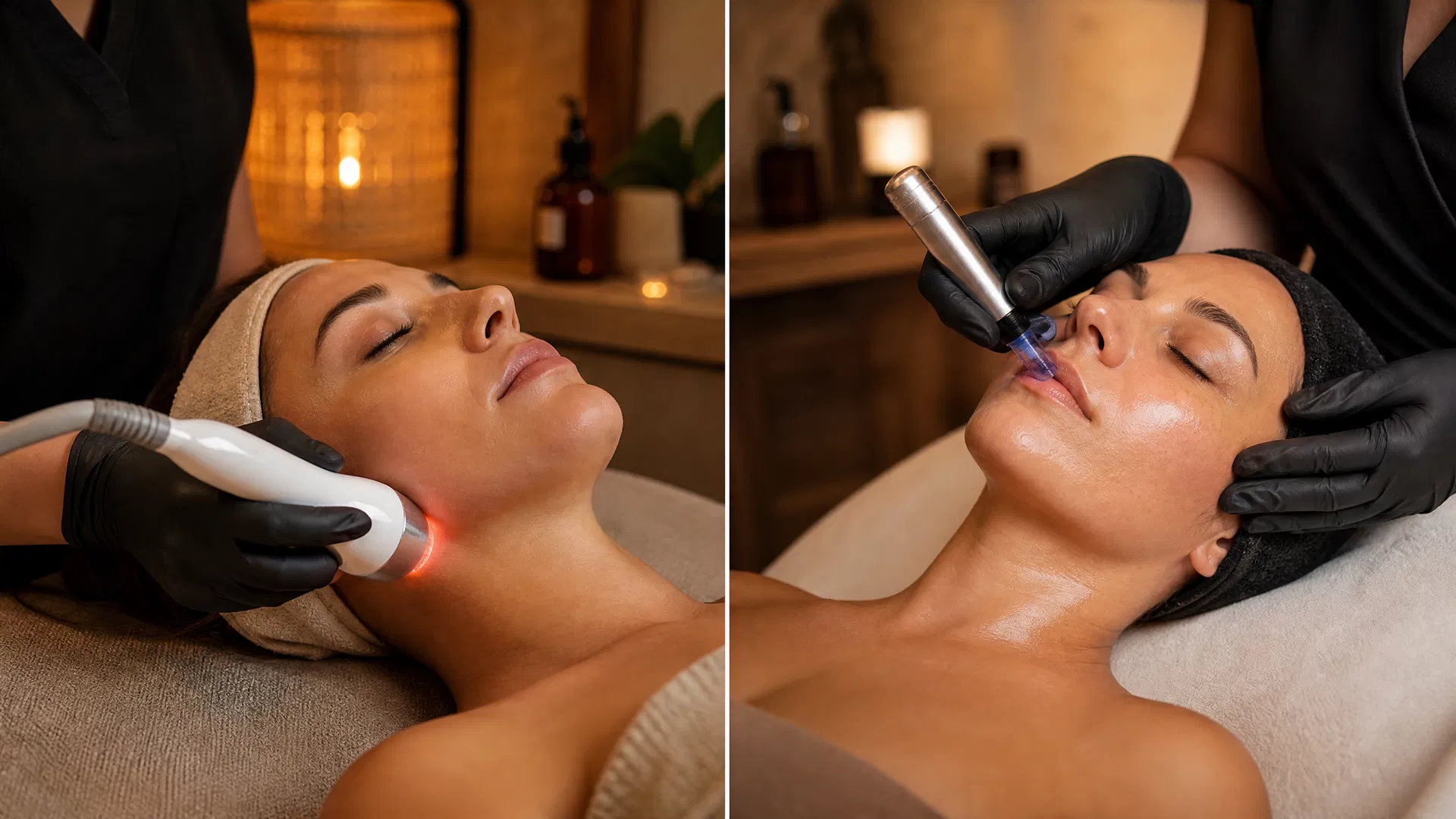
RF Skin Tightening vs. Microneedling: Which One Is Right for You — and Why the Combination Is Better Than Either Alone
RF skin tightening and microneedling both build collagen — but they work at different depths and through different mechanisms. Understanding the distinction changes how you think about what your skin actually needs, and why combining them produces results neither can achieve alone.
Two of the most effective non-invasive skin treatments available today work by completely different mechanisms — and when you understand how each one works, it becomes obvious why combining them produces results that neither can achieve alone.
Radiofrequency skin tightening and microneedling are both collagen-building treatments. But they reach collagen in different ways, at different depths, and through different biological pathways. Understanding the distinction isn't just academic — it changes how you think about what your skin actually needs.
How RF Skin Tightening Works
Radiofrequency skin tightening uses controlled electromagnetic energy to heat the deeper layers of the skin — specifically the dermis and the fibrous septae in the subcutaneous tissue below it. When collagen fibers are heated to a specific temperature range (typically 60–70°C), two things happen.
First, the existing collagen fibers contract immediately. This is why some clients notice a visible tightening effect even after a single RF session — the heat causes the collagen to physically shorten and tighten, producing an immediate (if modest) lifting effect.
Finding this useful?
Share it with someone who needs to read it.
Second, the controlled thermal injury triggers a wound-healing response that stimulates fibroblasts — the cells responsible for producing new collagen — to increase their output over the following weeks and months. This is the longer-term benefit: new collagen formation that continues for three to six months after treatment.
RF energy penetrates more deeply than microneedles can reach. While microneedling works primarily in the upper and mid-dermis, RF energy reaches the deep dermis and the fibrous tissue that connects skin to the underlying structures. This makes RF particularly effective for laxity — the gradual loosening of skin that comes with age as the deep structural support weakens. Sagging along the jawline, loose skin on the neck, and early jowling all respond to RF in ways that surface-level treatments cannot address.
How Microneedling Works
Microneedling creates thousands of controlled micro-injuries in the skin using fine sterile needles. These injuries trigger a healing response that produces new collagen and elastin in the upper and mid-dermis — the layers closest to the surface.
Where RF works from the deep dermis upward, microneedling works from the surface downward. The two treatments are, in a very real sense, attacking the same problem from opposite ends.
Microneedling also has a significant advantage that RF does not: the micro-channels it creates allow active ingredients to penetrate deeply into the skin. Serums applied immediately after microneedling reach the dermis rather than sitting on the surface. This makes microneedling the preferred treatment for pigmentation issues, texture problems, and surface-level concerns like fine lines and acne scars — areas where the quality of the skin itself, not just its structural support, is the issue.
Where Each Treatment Excels
| Concern | RF Skin Tightening | Microneedling | |---|---|---| | Skin laxity / sagging | Excellent | Moderate | | Deep structural tightening | Excellent | Limited | | Fine lines and wrinkles | Good | Excellent | | Acne scars | Moderate | Excellent | | Skin texture and tone | Good | Excellent | | Hyperpigmentation | Limited | Excellent | | Pore size | Good | Excellent | | Neck and jawline tightening | Excellent | Good | | Stretch marks | Moderate | Good |
Neither treatment is universally superior. They're optimized for different things. Which one is right for you depends on what you're trying to address.
Why the Combination Produces Better Results Than Either Alone
When you use RF and microneedling together, you're stimulating collagen production at multiple depths simultaneously. RF heats the deep dermis and subcutaneous tissue, triggering deep structural remodeling. Microneedling creates surface-to-mid-dermis injury that triggers collagen production in the upper layers. The result is a more complete remodeling of the entire skin architecture — not just the deep structure or just the surface, but both.
There's also a synergistic effect on the healing response itself. Both treatments trigger the release of growth factors and cytokines that signal collagen-producing cells to become more active. When both signals are present simultaneously, the response is amplified beyond what either treatment produces alone. Studies comparing combination protocols to single-modality treatments consistently show greater collagen density improvements, better skin thickness measurements, and higher patient satisfaction scores in the combination groups.
For clients dealing with significant skin laxity alongside texture and pigmentation concerns — which describes most people over 40 who are serious about their skin — the combination protocol is the most efficient path to comprehensive improvement. You're not choosing between structural tightening and surface quality. You're getting both.
The RF + Microneedling Protocol at Body Techs
We offer both treatments, and for clients who are appropriate candidates for both, we can build a protocol that sequences them strategically. In some cases, the treatments can be performed in the same session; in others, we space them to allow the healing response from each to fully develop before adding the next stimulus.
Every microneedling session at Body Techs includes red light therapy at no additional charge — applied immediately after the microneedling portion to accelerate cellular repair and amplify collagen synthesis. Red light in the 630–850nm range stimulates mitochondrial activity in skin cells, producing more ATP and faster healing. When combined with the active healing response triggered by microneedling, the effect is meaningfully greater than microneedling alone. This is not a standard inclusion at most esthetics studios — it's something we offer because the science supports it and the results are better.
For microneedling specifically, we also offer a complimentary Cryo Facial the following day. This is one of the only post-treatment interventions that is both safe and beneficial for freshly microneedled skin. Most things you might apply to reduce post-treatment redness and discomfort — ice packs, topical treatments, heat — are either off-limits or potentially irritating. A Cryo Facial delivers a controlled stream of vaporized nitrogen to the skin surface with zero physical contact. The dry cold constricts blood vessels, reduces inflammation, calms the nerve endings responsible for post-treatment itchiness, and accelerates recovery. Clients who do the Cryo Facial the day after microneedling consistently report faster resolution of redness and a more comfortable recovery.
This combination — microneedling with red light, followed by a Cryo Facial the next day — is only possible at a full wellness and esthetics facility. A standalone facial studio doesn't have a cryo chamber. A cryo studio doesn't have an esthetics room. We have both, and the integration creates a treatment experience that genuinely can't be replicated at a single-service studio.
Who Is a Good Candidate for RF Skin Tightening?
RF skin tightening works best for clients who are experiencing early to moderate skin laxity — the gradual loosening that typically begins in the late 30s and accelerates through the 40s and 50s. Ideal candidates have some visible sagging or loss of definition along the jawline, neck, or cheeks, but haven't yet reached the point where surgical intervention would be the only meaningful option.
RF is not a replacement for a facelift. For clients with significant, advanced laxity, surgery will produce results that no non-invasive treatment can match. But for clients who want to maintain their results proactively, slow the progression of laxity, or address early-stage sagging without surgery, RF skin tightening is one of the most effective tools available.
RF is also an excellent maintenance treatment after surgical procedures — many clients who have had facelifts or other lifting procedures use RF to extend and maintain their results over time.
Who Is a Good Candidate for Microneedling?
Microneedling is appropriate for a wider range of clients and concerns. If you have acne scars, uneven texture, enlarged pores, fine lines, hyperpigmentation, or early laxity, microneedling is likely to produce visible improvement. It's effective across skin tones — unlike some laser treatments, which carry a higher risk of post-inflammatory hyperpigmentation in darker skin tones, microneedling is generally safe and effective for all skin types.
The main contraindications are active acne breakouts (we wait until the skin is clear before treating), certain skin conditions, and pregnancy. We'll review your skin and health history at your consultation to confirm you're a good candidate.
Making the Decision
If you're not sure whether RF, microneedling, or a combination protocol is right for you, the best starting point is a consultation. We'll assess your skin, discuss your concerns and goals, and give you an honest recommendation — including whether a combined approach makes sense for your specific situation, or whether one treatment alone will get you where you want to go.
The goal isn't to sell you the most expensive protocol. It's to build a treatment plan that produces real, visible results for your skin. Sometimes that's one treatment. Sometimes it's both. We'll tell you which.
Body Techs Wellness & Esthetics · 11353 MN-7, Minnetonka, MN 55305 · bodytechsrx.com
Found this helpful?
Share it with someone who needs to read it.
Ready to experience the difference?
Book your first session at Body Techs Wellness & Esthetics in Minnetonka, MN.
Book Now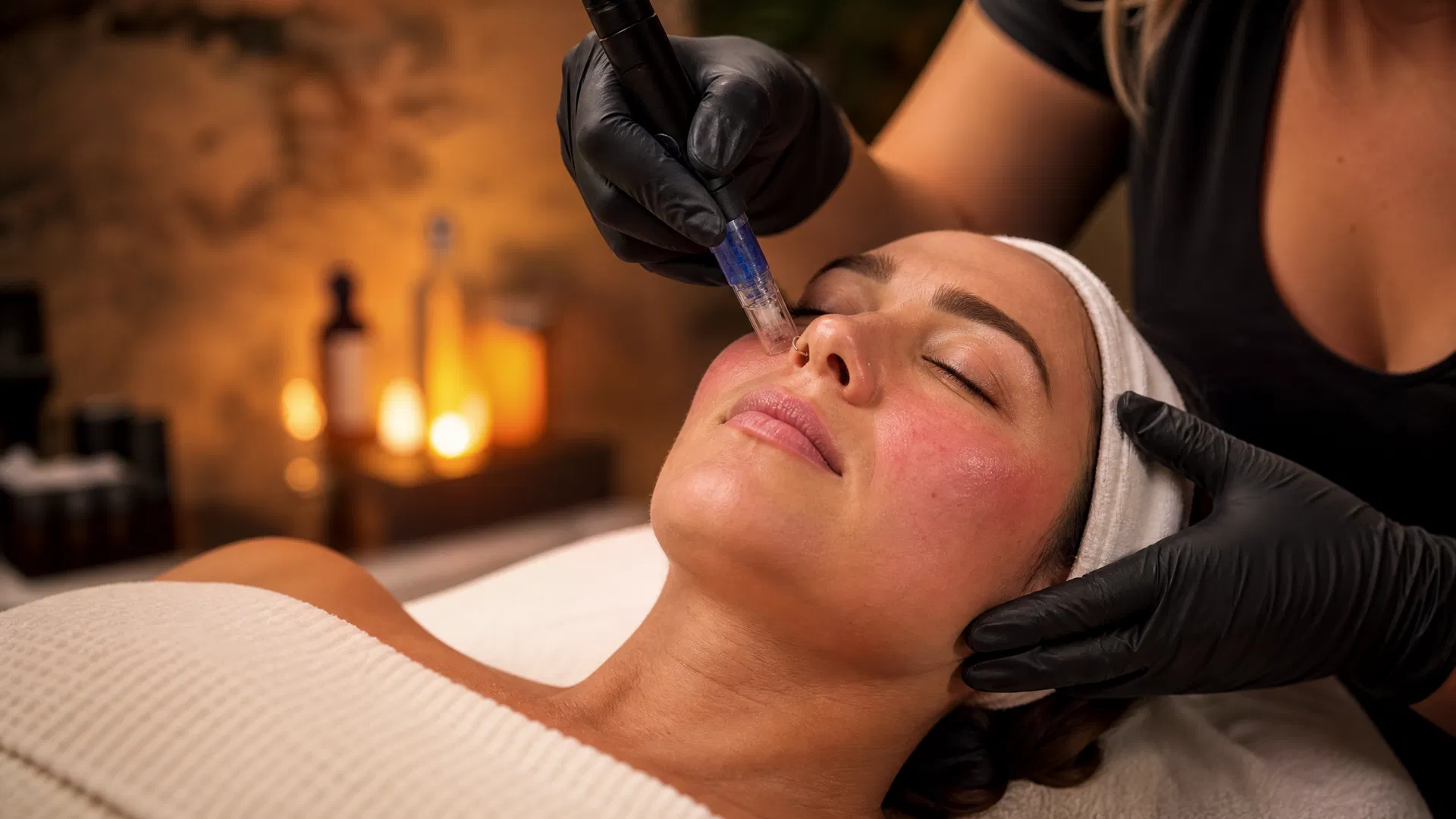
Microneedling for Your Face: What to Expect, How It Works, and Why It Actually Delivers
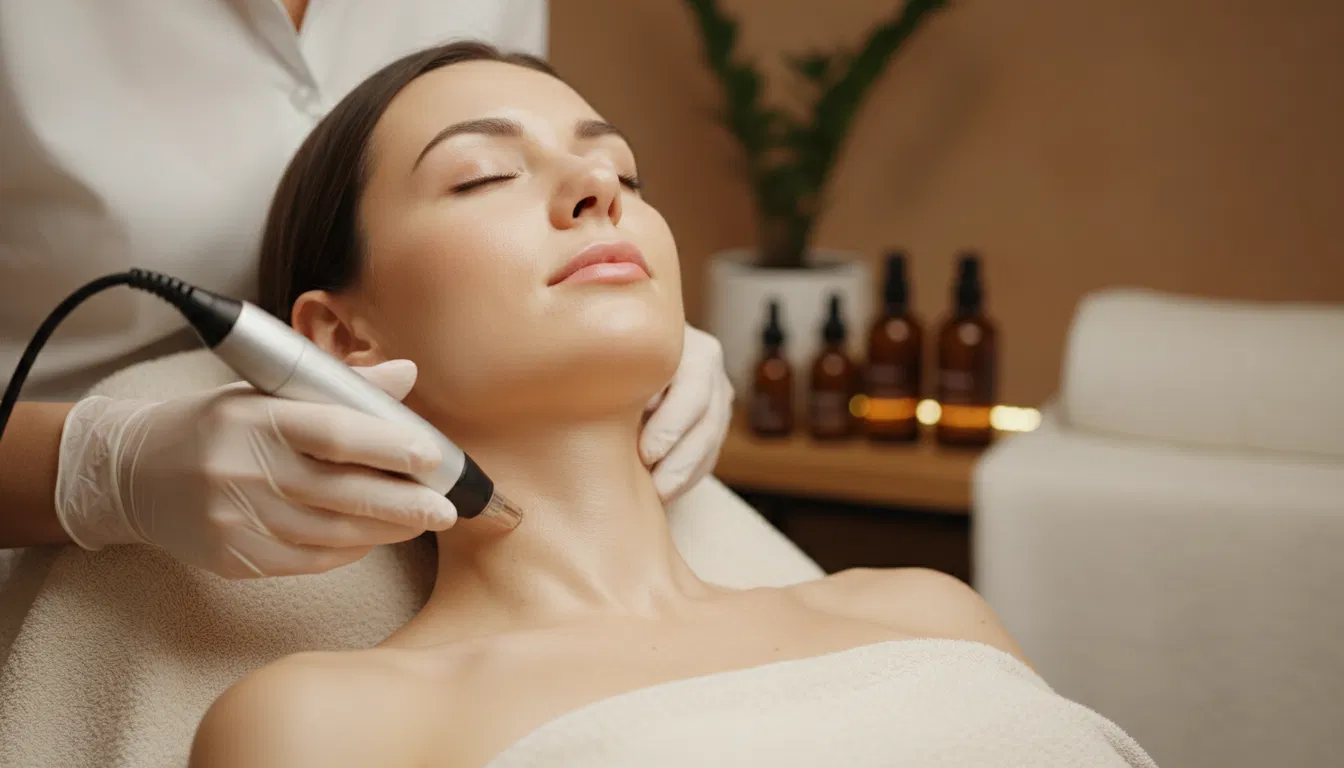
Microneedling Beyond the Face: Neck, Décolletage, Hands, and Body